
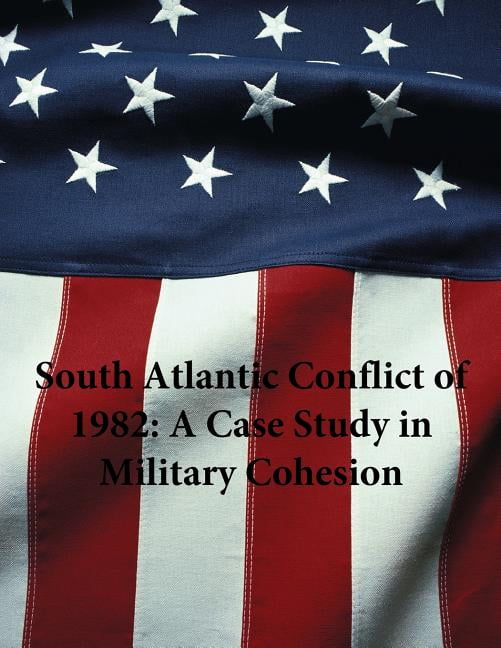
South Atlantic Conflict of 1982 : A Case Study in Military Cohesion (Paperback)
Product details
| Management number | 240327240 | Release Date | 2026/07/16 | List Price | US$5.98 | Model Number | 240327240 | ||
|---|---|---|---|---|---|---|---|---|---|
| Category | |||||||||
This research uses the South Atlantic conflict as a case study of land forces and an analysis of the issues of cohesion, bonding, and combat effectiveness. Based on a review of the literature and pertinent research on cohesion and combat effectiveness, the author derived a short scale that measures cohesion variables affecting combat effectiveness. This 24-item scale consists of four major categories: Societal Factors, Organizational Bonding, Vertical Bonding, and Horizontal (Peer) Bonding. Based on extensive fieldwork interviews with enlisted personnel and officers of the British forces and the Argentine Army, the author uses the model as a framework for analyzing this conflict in relation to combat effectiveness. The author found that cohesive units had more success on the battlefield and endured deprivations of climate and supply better than noncohesive units. Cohesion affects all aspects of combat effectiveness and is indeed a "force-multiplier." Implications of the 1982 South Atlantic Conflict for U. S. manpower planners are discussed.
South Atlantic Conflict of 1982: A Case Study in Military Cohesion (Paperback)| Book format | Paperback |
|---|---|
| Fiction/nonfiction | Non-Fiction |
| Genre | History/Military - Strategy |
| Publication date | July, 2016 |
| Pages | 162 |
| Publisher | Createspace Independent Publishing Platform |
| Language | English |
| Editor | Penny Hill Press |
| Assembled product dimensions (l x w x h) | 11.02 x 8.50 x 0.35 Inches |
| Assembled product weight | 0.8600 lb |
| Bisac subject heading | History |
Bestseller ranking
Strategy in Military History Books






Customers who viewed this product also viewed
Barbie


Correction of product information
If you notice any omissions or errors in the product information on this page, please use the correction request form below.
Correction Request Form